
How to Use Podcasting to Get More Real Estate Leads

Real Estate Marketing: Harnessing Podcasts for Effective Lead Generation and Client Attraction
The future of real estate marketing lies in integrating innovative digital tools, with podcasting emerging as a powerful method for generating leads and building a personal brand. As real estate professionals explore new avenues to attract clients, podcasts provide a unique platform to connect with potential buyers and sellers. Harnessing the power of podcasting can significantly enhance lead generation efforts, establishing deeper client relationships and expanding audience reach.
Real estate podcasts cover various industry topics, offering valuable insights from seasoned experts. These podcasts serve not only as educational resources but also as crucial marketing tools. By consistently sharing relevant and engaging podcast content on social media and other platforms, real estate experts can attract new listeners and strengthen their position in the market.
To successfully utilize podcasts for real estate marketing, podcast creators must create high-quality content that resonates with their target audience. A well-structured marketing plan, including podcast promotion on platforms like Apple and Google Podcasts, can help maximize visibility. Engaging in strategic digital marketing, such as email campaigns and social media outreach, ensures the podcast reaches new listeners and drives effective lead generation.
Understanding Your Target Audience
For real estate professionals, deep knowledge of one’s target audience is fundamental for effective marketing. This involves identifying the demographics, preferences, and needs of potential clients.
Key Characteristics to Identify:
- Demographics: Age, gender, income level, and family status.
- Location: Preferences about neighborhoods and proximity to essential amenities.
- Lifestyle: Interests, hobbies, and priorities that might influence purchasing decisions.
Tools for Understanding:
- Surveys and Questionnaires: Directly gather information from potential clients.
- Social Media Analytics: Track engagement and interests through Facebook and Instagram.
- Client Feedback: Utilize past client experiences to gather insight into their preferences.
Understanding these elements helps tailor content that speaks directly to the desires and expectations of potential clients. Digital marketing tools, such as CRM systems, assist in segmenting this audience accurately. Effective email marketing campaigns can then be designed to resonate with specific groups.
Buyer Personas: Creating clear, defined personas aids in visualizing the target audience groups. By doing so, realtors can craft strategies that align with the wants and needs of these personas, making marketing approaches more personalized and relevant.
Planning Your Podcast Strategy
Goal Identification: Clearly define the primary goals for the podcast. They include generating leads, educating an audience, or establishing authority in the real estate industry.
Understanding the Audience: Identify the specific target audience. Consider demographics and preferences, ensuring the content matches their expectations and interests.
Content Planning: Develop a content calendar. This involves structuring each episode to deliver value while aligning with the broader marketing strategy.
Format and Style: Decide on the podcast’s format, whether it’s interviews, solo discussions, or roundtables. You can choose a style that suits the brand and appeals to listeners.
Platforms and Distribution: Identify key platforms like Apple Podcasts, Google Podcasts, and Spotify. You can use social media and email lists to promote the podcast heavily when each episode is released.
Technical Setup: Select appropriate recording and editing software. Consider the quality of audio files and the simplicity of use to ease production.
Engagement Strategy: Encourage interaction with listeners through Q&A segments or community discussions. Sharing on social media can boost engagement and attract more listeners.
Metrics for Success: Determine key performance indicators (KPIs) such as listenership growth, engagement levels, or lead generation effectiveness. Use analytics to adjust strategies for continuous improvement.
Collaboration and Guest Planning: Identify potential industry experts or influencers who can add value through guest appearances, expanding reach and credibility.
Marketing Integration: Align the podcast with existing marketing campaigns. This includes cross-promotion with other content marketing efforts to reinforce the brand message.
Best Podcasting Audio Equipment
Choosing the right audio equipment is crucial for clear and professional-sounding podcasts. This section focuses on some of the best USB microphones, offering insights into their features, benefits, and why they might suit different podcasting needs.
USB Microphone
USB microphones offer the advantage of easy setup, which is ideal for beginners and professionals. They connect directly to a computer, eliminating the need for additional audio interfaces. USB microphones are appreciated for their plug-and-play simplicity and versatile use across different devices. They work well for solo podcasters and those needing a cost-effective solution without compromising on audio quality.
Audio-Technica ATR2100
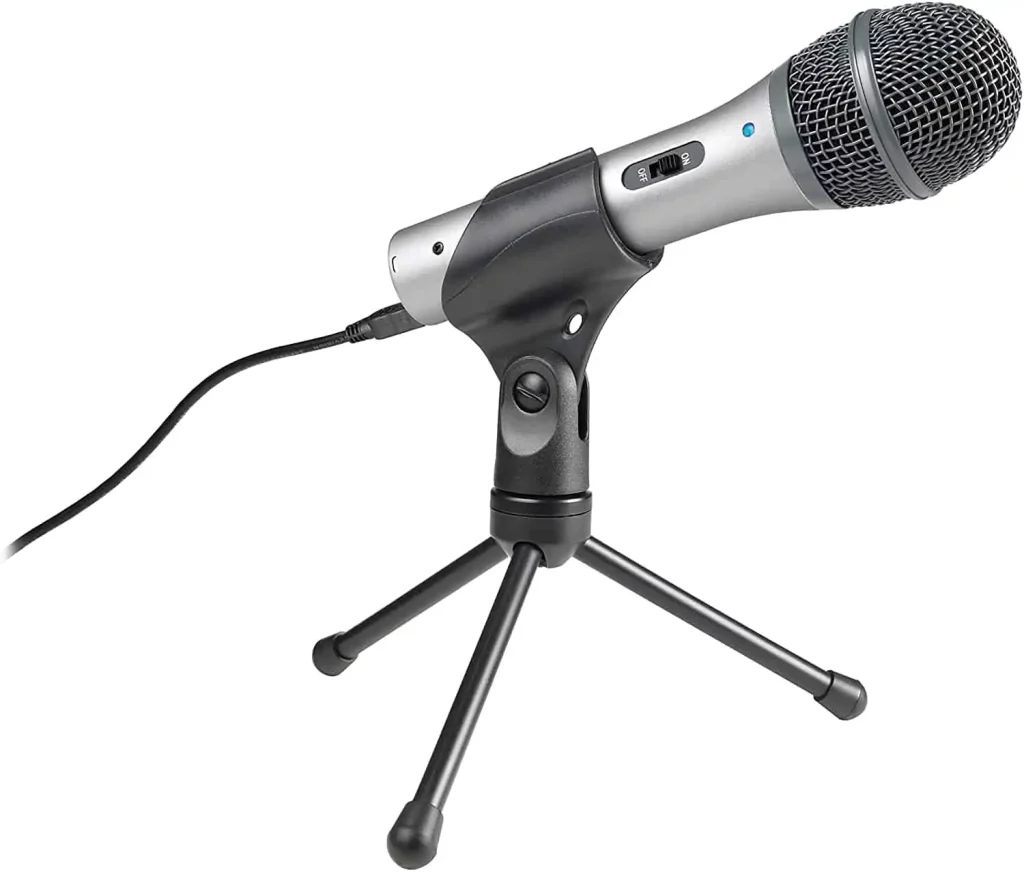
The Audio-Technica ATR2100 is a favorite among podcasters for its dual USB and XLR connections, offering flexibility in recording setups. Its cardioid polar pattern reduces background noise, enhancing vocal clarity. The microphone includes a headphone jack for real-time audio monitoring. It’s portable, rugged, and designed to handle live and studio environments, making it a reliable choice.
Prices around $70
Shure MV7
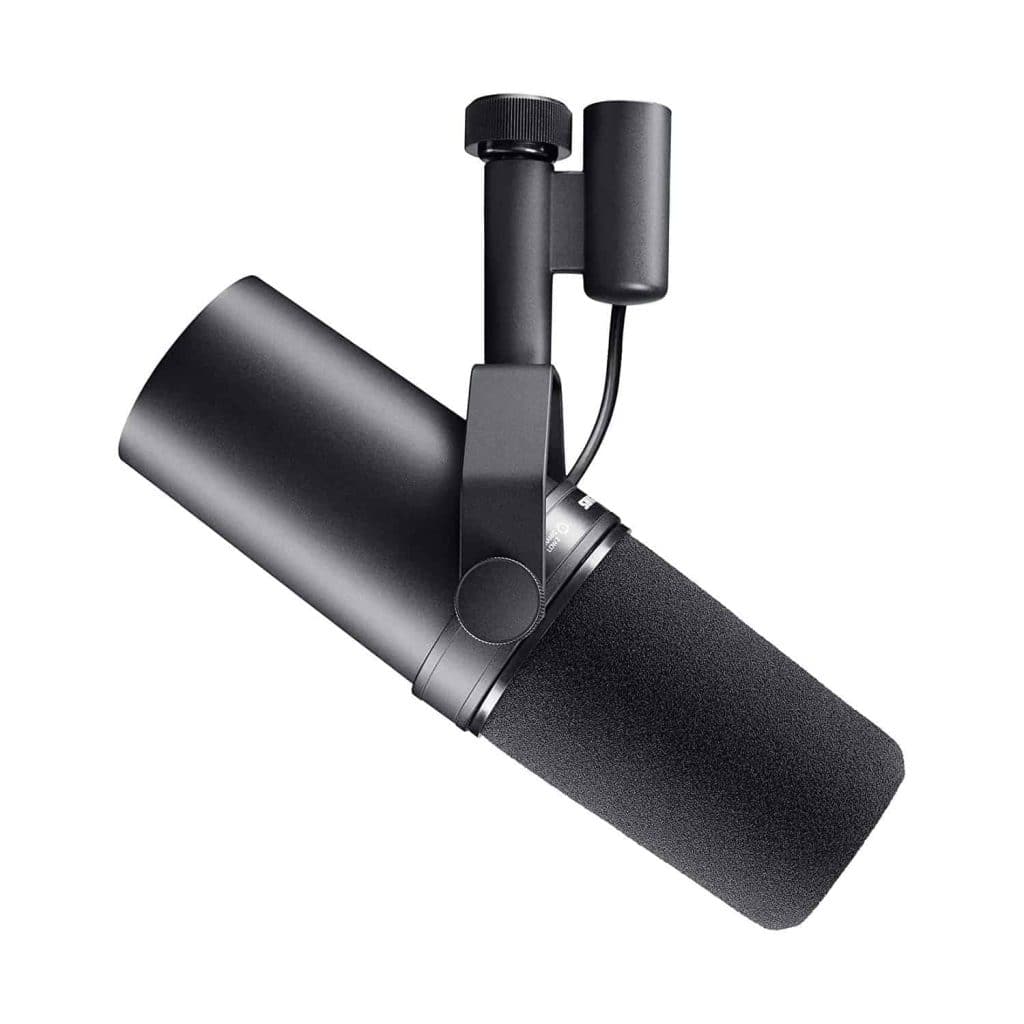
Inspired by the legendary SM7B, the Shure MV7 is a versatile, dynamic microphone. Its hybrid XLR and USB connections provide flexibility for podcasters and streamers. The microphone features voice-isolation technology to focus on vocals. Integrated controls allow users to adjust gain and monitor levels easily. Compatibility with ShurePlus MOTIV software provides additional customization for enhanced sound quality.
Prices around $250
Rode Podcaster

The Rode Podcaster is explicitly designed for voice recording, offering broadcast-quality sound. Its dynamic capsule reduces unwanted noise, and the internal pop filter minimizes plosive sounds. The microphone connects via USB, making it simple to use. Its robust build and focused sound make it popular for those seeking a dedicated podcasting microphone.
Prices around $150
Samson Q2U
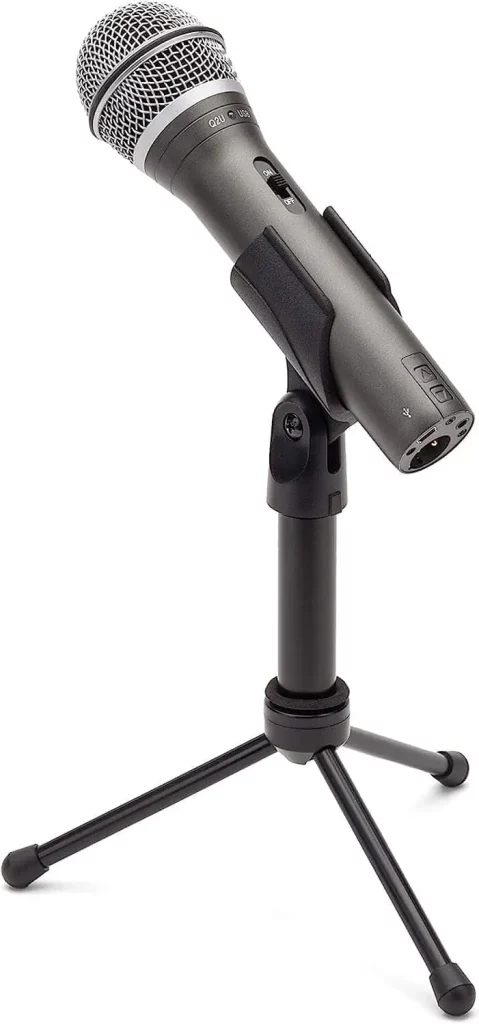
The Samson Q2U offers USB and XLR outputs, providing versatility for various recording environments. It includes a cardioid pickup pattern to capture detailed audio while minimizing ambient noise. The Q2U comes with accessories like a mic clip and tripod stand, making it a convenient starter package. It’s known for delivering high-quality audio without breaking the bank.
Prices around 69.00
Movo UM700
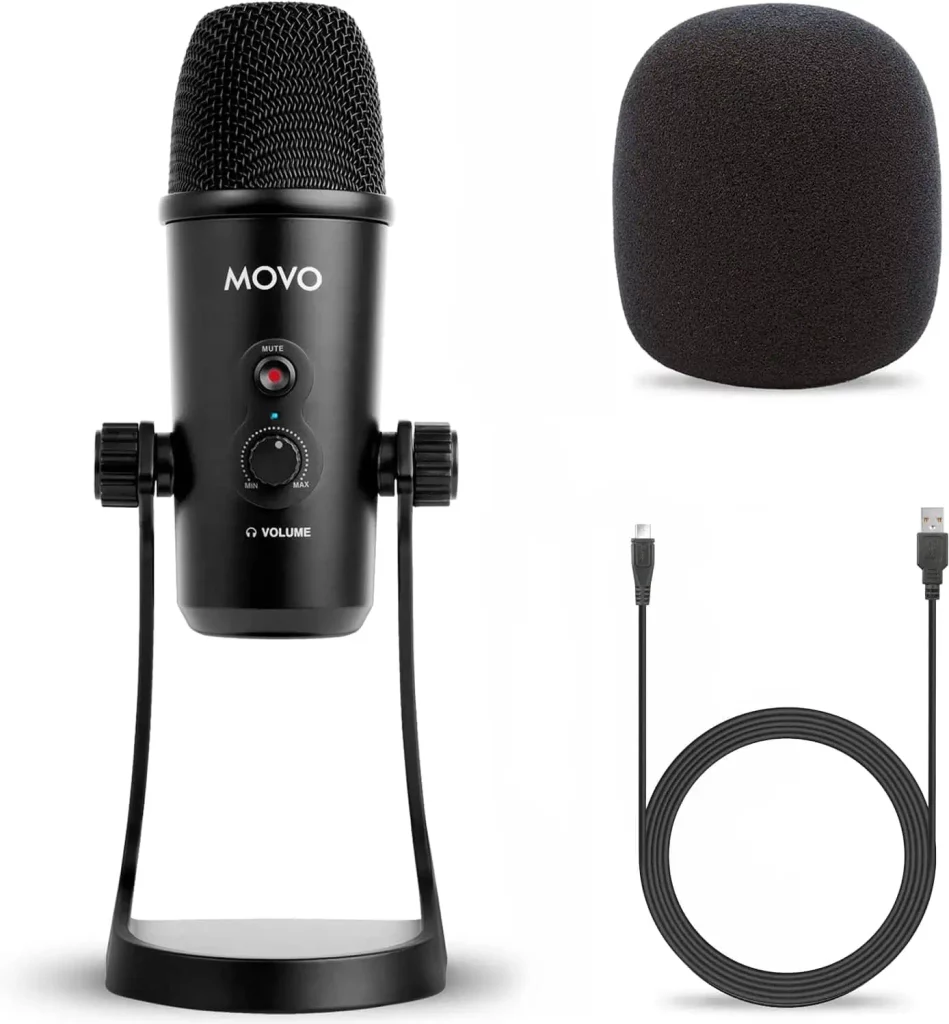
The Movo UM700 stands out with its multiple pattern selections, including cardioid, omni, and bidirectional. This versatility allows it to adapt to different recording needs. The microphone offers a robust USB connection, making it easy to integrate into existing setups. The UM700 caters to novice and experienced podcasters with its user-friendly design and solid construction.
Prices around $25
How To Promote Your Podcast
Promoting a podcast effectively requires strategic planning and execution. One of the simplest ways to increase visibility is to utilize social media platforms. Sharing episodes on Facebook, Instagram, Twitter, and LinkedIn can attract a broader audience. Engaging visuals and compelling captions can enhance these posts.
Collaborating with other podcasters is another effective method. Appearing as a guest on another podcast can introduce the show to new listeners. Likewise, inviting guests with their audience can expand their reach.
Email marketing remains a powerful tool. Sending newsletters with updates, highlights, and direct links to episodes encourages existing subscribers to tune in and share with others.
Podcasts on platforms like Apple and Google should be optimized with relevant keywords and compelling descriptions to improve searchability.
Encouraging listeners to leave reviews and ratings can build credibility and increase visibility in podcast directories.
Leverage content marketing by repurposing podcast material into blog posts, videos, or infographics. This cross-platform presence captures different audience segments and increases engagement.
Running a contest or giveaway can also incentivize listener participation and sharing. For example, offering exclusive content or merchandise in exchange for sharing the podcast link widens the audience.
Frequently Asked Questions
Q: How can a real estate podcast help generate leads for my business?
A: A real estate podcast can help generate leads by providing valuable content to listeners interested in real estate topics. By sharing insights and expertise, you can build trust with your audience, encouraging them to reach out for your services as a realtor.
Q: What are some tips for generating leads from podcasts?
A: Some tips for generating leads from podcasts include focusing on trending real estate topics, optimizing your podcast for SEO, sharing your podcast on social media, and engaging with your listeners through Q&A sessions or community events.
Q: Do I need to be a tech expert to start a podcast as a real estate agent?
A: No, you don’t need to be a tech expert to start a podcast. User-friendly recording software options make it easy to launch a podcast without extensive technical knowledge. Focus on your content and message first.
Q: How can I promote my real estate podcast to attract more listeners?
A: You can promote your real estate podcast by leveraging social media platforms, collaborating with other real estate professionals, and utilizing email marketing. Additionally, participating in online lead-generation podcasts can help expand your reach.
Q: What content should I include in my podcast episodes to attract real estate leads?
A: Your podcast episodes should include interviews with industry experts, discussions about local real estate trends, tips for home buyers and sellers, and insights into the buying or selling process. This content provides listeners value and establishes you as a knowledgeable real estate agent.
Q: How frequently should I publish my podcast to maintain listener engagement?
A: Consistency is vital in podcasting. Aim to publish your podcast on a regular schedule, whether that’s weekly, bi-weekly, or monthly. This helps build a loyal audience who knows when to expect new content.
Q: Can I use a podcast to enhance my online lead-generation strategy?
A: Yes, a podcast can significantly enhance your online lead-generation strategy. By positioning yourself as an authority in real estate through valuable content, you can attract potential clients who are more likely to convert into leads.
Q: What are some common mistakes to avoid when starting a real estate podcast?
A: Common mistakes to avoid include needing a clear target audience, poorly planning your content, neglecting audio quality, and failing to promote your podcast effectively. Focus on quality content and consistent promotion for successful real estate podcasting.
Q: How can I measure the success of my real estate podcast?
A: You can measure the success of your real estate podcast by tracking various metrics such as download numbers, listener engagement, feedback from listeners, and the number of leads generated through your podcast. Tools like podcast analytics can provide insights into your performance.
Final Thoughts
In the dynamic world of real estate, embracing innovative marketing techniques is crucial. Podcasts have emerged as a powerful tool for lead generation, offering real estate professionals a platform to showcase their expertise and connect with potential clients. With the right approach, podcasting can significantly enhance a real estate brand’s visibility.
Podcasting allows real estate experts to share valuable insights on market trends, digital marketing strategies, and effective lead-generation tactics. This medium helps attract new clients and establishes authority within the industry.
Key Strategies:
- Content Focus: Tailor podcast content to address the interests and concerns of your target audience.
- Promotion: Utilize social media and email marketing to reach wider audiences.
- Consistency: Regularly publish episodes to maintain listener engagement.
Using reliable recording and editing software is essential to launch and maintain a podcast. Expertise in these technical aspects can greatly enhance the quality of your episodes. Platforms like Apple and Google Podcasts can help reach broader audiences, making your podcast more accessible.
Podcasts offer real estate professionals a chance to build a dedicated listener base while promoting their services. As more industry experts turn to podcasting, the potential for growth and client engagement expands. This makes podcasting a trending method and a sustainable part of a comprehensive real estate marketing plan.

Social media has become a handy and low-cost marketing tool. It is on these platforms that a company can find Read more

All real estate professionals share a mutual goal: to get and convert more leads, thus, grow their real estate business. Read more

Here are seven killer tips that you can use to create high-converting real estate Facebook ads Real estate agents know Read more

LinkedIn is a very important part of social media marketing. So how can you stand out from the crowd as Read more